Let’s talk about my favorite nut for people with CKD: Macadamia Nuts! Nuts are one of my favorite snack foods because of how portable they are — they won’t get squished in your purse or lunch bag, they require no refrigeration, and they’re delicious! On top of all that, most nuts are super kidney-friendly.
Table of contents
This post may contain affiliate links through which we may earn a small commission to help keep this website free.
Why are macadamia nuts good for people with CKD?
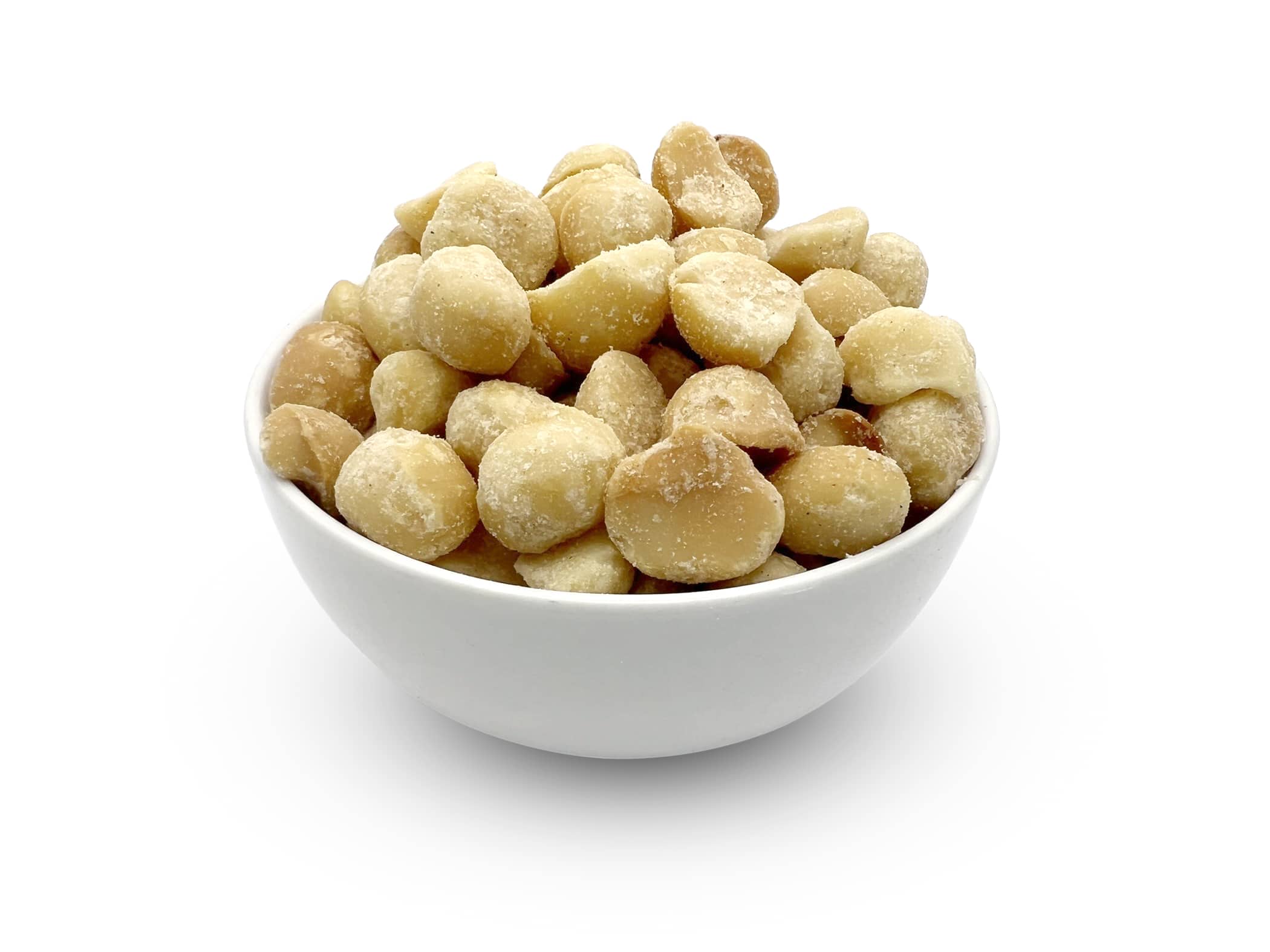
- Calories: 204
- Protein: 2.2g
- Carbohydrate: 3.8g
- Fat: 22g
- Sodium: 1mg
- Phosphorus
Additives: None - Potassium: 103mg
- Calcium: 20mg
- Fiber: 2.3g
- Sugar: 1g
Protein and Macadamia Nuts
People with CKD are often advised to follow a lower-protein diet to reduce the workload on their kidneys. And there is often more protein in foods than people expect—so finding foods that fit your protein goals without feeling deprived can make a big difference.
Macadamia nuts, however, are very low in protein even compared to other nuts. Let’s compare macadamia nuts to peanuts.
Macadamia nuts are much lower in protein than most other nuts. A single 1-ounce serving has just 2.2 grams of protein compared to nearly 7 grams in peanuts. If you eat a few servings a day, that difference adds up quickly:
- 3 servings of macadamia nuts → ~6.6 g protein
- 3 servings of peanuts → ~21 g protein
That’s a 14-gram difference, which can be significant if you’re trying to stay within a prescribed daily limit. You certainly don’t need to avoid peanuts, but if you’re looking for a lower protein option, macadamia nuts certainly fit the bill.

Carbohydrates and Macadamia Nuts
Each serving of macadamia nuts has less than 4 grams of carbohydrates, and about half of that comes from fiber. That means only about 1.5 grams of net carbs per serving—making them a great option for people with CKD who also have diabetes or insulin resistance.
The combination of low carbs and healthy fats helps promote steady blood sugar levels and prevents those sharp spikes and crashes that can happen with more processed snacks.
Phosphorus and Macadamia Nuts
A single serving of macadamia nuts contains about 53 mg of phosphorus, and since it’s from a natural plant source, your body absorbs only about 30% of it (roughly 16 mg).
That’s a fraction of what you would absorb from foods with phosphorus additives, which are absorbed nearly 100%. These additives are common in flavored or coated nuts—but plain macadamia nuts rarely contain them.
Keeping phosphorus intake moderate is important for people with CKD, since high phosphorus levels can lead to bone loss, itchy skin, and blood vessel calcification over time.
Potassium and Macadamia Nuts
Macadamia nuts are considered a low-potassium food. A serving provides about 103 mg of potassium and 204 calories, which make them a very low potassium food. That makes macadamia nuts a safe and satisfying choice even for those who’ve been told to limit potassium.
If you haven’t been told to restrict your potassium, but are concerned about keeping it under control with CKD, you’ll love our Potassium 101 course where we walk through all of the major (and often simple!) strategies for managing potassium the right way.
Sodium and Macadamia Nuts
Even salted macadamia nuts are low in sodium compared to most snack foods. Most brands contain less than 100 mg of sodium per serving, while unsalted varieties have virtually none.
We generally consider a food to be low in sodium if it has fewer milligrams of sodium than calories—and macadamia nuts easily meet that guideline. With around 200 calories and less than 100 mg of sodium per serving, they qualify as a low-sodium food even when lightly salted.
The KDOQI (Kidney Disease Outcomes Quality Initiative) guidelines recommend that people with CKD limit sodium intake to 2,300 mg per day or less. Keeping sodium below this level helps:
- Control blood pressure — high sodium intake can make hypertension harder to manage, which in turn can accelerate kidney damage.
- Reduce fluid retention and swelling — less sodium helps your body better regulate water balance.
- Protect your heart and blood vessels — high sodium diets are linked to increased cardiovascular risk, which is already higher in CKD.
Because macadamia nuts contribute so little sodium, they fit easily into a kidney-friendly eating pattern—even if you occasionally enjoy the salted versions.
Cost of Macadamia Nuts
Macadamia nuts often seem expensive—but keep in mind that they’re very calorie-dense, so a little goes a long way. You can get the same satisfaction from a small handful as you would from a much larger portion of other snacks. They also store well, making them an excellent “buy in bulk and portion out” pantry staple.
Watch the video below for a breakdown of how to evaluate their true cost compared to other snacks.
Check Prices of Macadamia Nuts
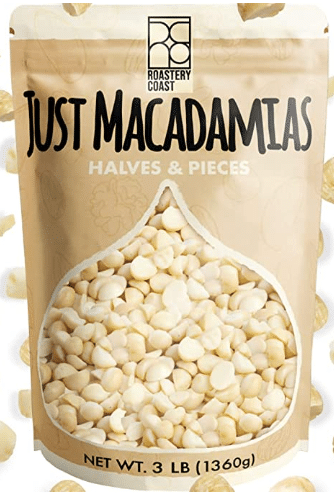
Buying nuts in larger packages is usually going to get you the best prices. Here are a few larger packs available on Amazon that may be more cost effective. Click on the pictures to check prices and reviews.