
Bread is a common staple in many people’s lives. For individuals diagnosed with chronic kidney disease (CKD) who are concerned about potassium, finding a low potassium bread can be a top priority. In this article, we highlight low potassium bread options, help you determine whether you need to focus on potassium content, and explore other key factors to consider when choosing a bread for CKD.
Table of contents
This post may contain affiliate links through which we may earn a small commission to help keep this website free.
Potassium in Bread
All breads contain some amount of potassium, but the amount varies by type and ingredients. Depending on the variety, a 30g serving may have anywhere from 22 to 215 mg of potassium.
Below is a chart of common bread types and their average nutritional content (including potassium), based on USDA data.
| Per 30g serving | Calories | Protein (g) | Fat (g) | Carbohydrates (g) | Fiber (g) | Sodium (mg) | Potassium (mg) | Phosphorus (mg) |
| Roti Bread | 89 | 3 | 2 | 14 | 1.5 | 123 | 80 | 55 |
| Cinnamon Bread | 76 | 2 | 2 | 13 | 1.1 | 116 | 22 | 17 |
| Cracked Wheat Bread | 78 | 3 | 1 | 15 | 1.7 | 161 | 53 | 46 |
| Egg Bread | 86 | 3 | 2 | 14 | 0.7 | 114 | 35 | 32 |
| French Bread | 82 | 3 | 1 | 16 | 0.7 | 181 | 35 | 32 |
| Italian Bread | 78 | 3 | 1 | 14 | 0.6 | 185 | 37 | 29 |
| Oat Bran Bread | 71 | 3 | 1 | 12 | 1.4 | 106 | 44 | 42 |
| Oatmeal Bread | 81 | 3 | 1 | 15 | 1.2 | 134 | 43 | 38 |
| Pita Bread, white | 83 | 3 | 0 | 17 | 0.7 | 161 | 36 | 29 |
| Pita Bread, whole wheat | 79 | 3 | 1 | 17 | 1.8 | 126 | 51 | 54 |
| Potato Bread | 80 | 4 | 1 | 14 | 1.9 | 113 | 215 | 111 |
| Pumpernickel Bread | 75 | 3 | 1 | 14 | 2 | 179 | 62 | 53 |
| Raisin Bread | 82 | 2 | 1 | 16 | 1.3 | 104 | 68 | 33 |
| Rye Bread | 78 | 3 | 1 | 14 | 1.7 | 181 | 50 | 38 |
| Sprouted Wheat Bread | 56 | 4 | 0 | 10 | 1.6 | 142 | 59 | 53 |
| White Wheat Bread | 71 | 3 | 1 | 13 | 2.8 | 143 | 38 | 31 |
| White Bread | 80 | 3 | 1 | 15 | 0.8 | 147 | 38 | 29 |
| Whole Wheat Bread | 76 | 4 | 1 | 13 | 1.8 | 137 | 76 | 64 |
Note that these values are averages based on samples the USDA analyzed. Individual brands will be different.
Cinnamon bread had the lowest potassium content, likely due to its higher sugar content. Potato bread had the highest potassium content, which is expected given the naturally high potassium levels in potatoes.
Is bread high in potassium?
The majority of breads are considered low potassium foods. Many kidney professionals define a food as low in potassium if it contains less than 200 mg per serving. I also like to compare calorie content to potassium content: if a food has more calories than milligrams of potassium, I consider it to be very low in potassium.
In the table above, nearly every bread type has more calories than potassium—with the main exception being potato bread.
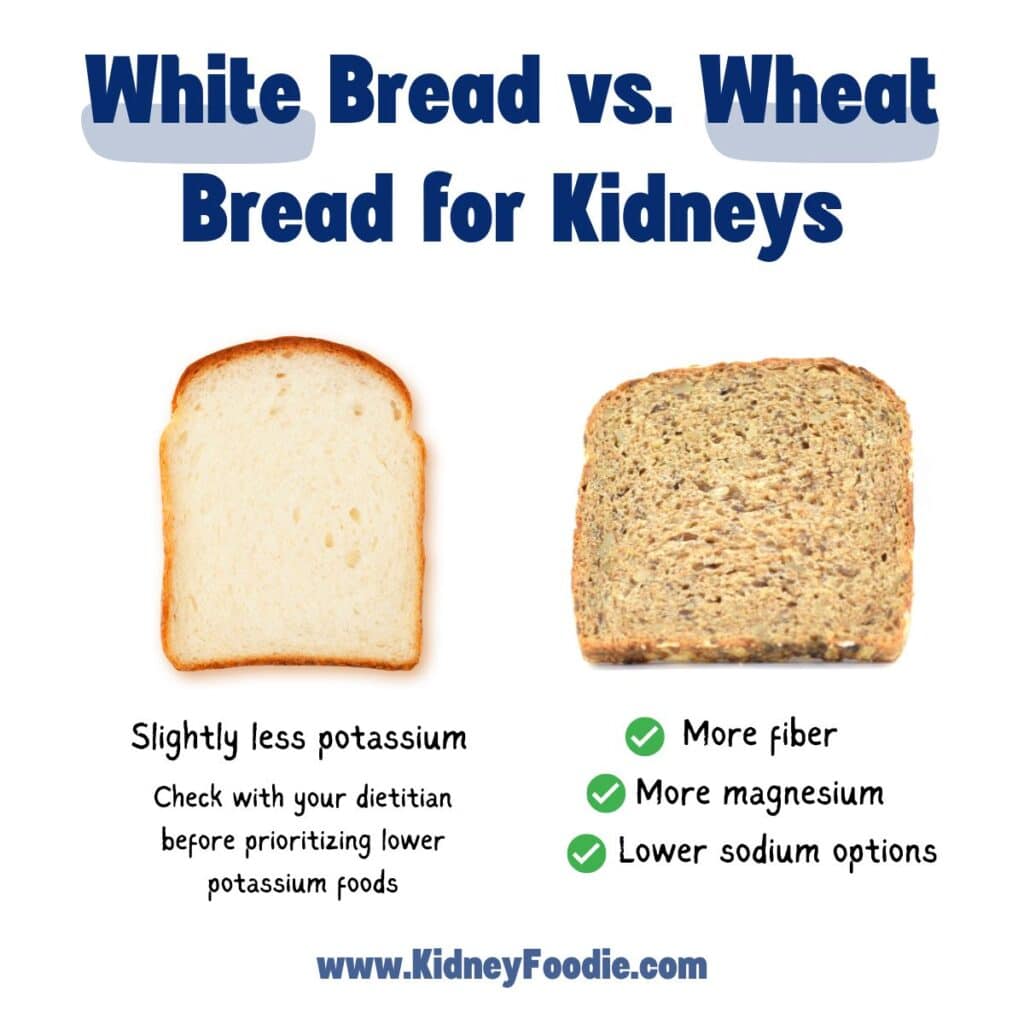
White Bread vs. Whole Grain Bread: Which is better for kidneys?
Do You Need to Restrict Potassium?
Many people with kidney disease assume they need to restrict potassium—even when it’s unnecessary (and potentially harmful). Most individuals with CKD who are not on dialysis have enough kidney function to handle typical day-to-day potassium intake.
If you’re struggling with high potassium levels, it’s important to rule out other causes. Many factors can affect potassium levels beyond the food you eat. If you’re interested in learning practical ways to manage potassium without avoiding healthy, high-potassium foods (and you’re not on dialysis), you can can check out our Potassium 101 course where we walk through all of the major (and often simple!) strategies for managing potassium the right way.
If potassium restriction is necessary, choosing a lower potassium bread—such as white bread—may help. Still, the difference is often small: one ounce of white bread has ~38 mg of potassium, while an ounce of wheat bread has ~76 mg. This difference is minimal in the context of your overall diet.
Are you getting adequate fiber?
White bread is typically lower in fiber than whole wheat or whole grain bread. If you’re not meeting your daily fiber needs, opting for a higher-fiber bread may be more beneficial than choosing based solely on potassium content.
The recommended daily fiber intake for most adults is at least 25g. Whole grains are excellent sources of fiber. Adequate fiber supports gut health and may help maintain normal potassium levels in people with CKD.
Do you have diabetes?
Whole grain bread generally has a lower glycemic index due to its higher fiber, slightly higher fat content, and more complex carbohydrates. If you’re managing blood sugar levels, a whole grain bread may be a better choice than refined white bread.
Are you getting enough magnesium?
Whole grain breads contain about three times more magnesium than white bread. Nearly half of U.S. adults fall short of the recommended magnesium intake: 420 mg/day for men over 30, and 320 mg/day for women.
Low magnesium intake is associated with a variety of health issues, including:
- Type 2 diabetes
- Metabolic syndrome
- Elevated C-reactive protein
- High blood pressure
- Heart disease
- Osteoporosis
- Migraines
- Asthma
- Colon cancer
If your diet is low in magnesium, choosing whole grain bread over white bread may help.
What is your preference?
Sometimes, it comes down to taste. If you strongly prefer white bread and are meeting your nutrient needs in other ways, it’s probably okay to stick with it.
For some people, whole grains may be an acquired taste—the more often you eat them, the more you may grow to enjoy the taste and texture.
Other things to look for in a kidney friendly bread
Whether or not you need to consider the potassium content of bread when making a choice, you should definitely consider whether the bread is high in phosphorus or sodium.
Lower Sodium Bread
For people living with kidney disease, eating less sodium can help lower blood pressure, reduce stress on your heart, reduce your risk of developing osteoporosis, lower your risk of developing kidney stones, and prevent you from gaining too much fluid weight and feeling tired and short of breath.
People with CKD are typically advised to limit sodium to <2,300 mg per day. As a rule of thumb, choose foods with less sodium than calories.
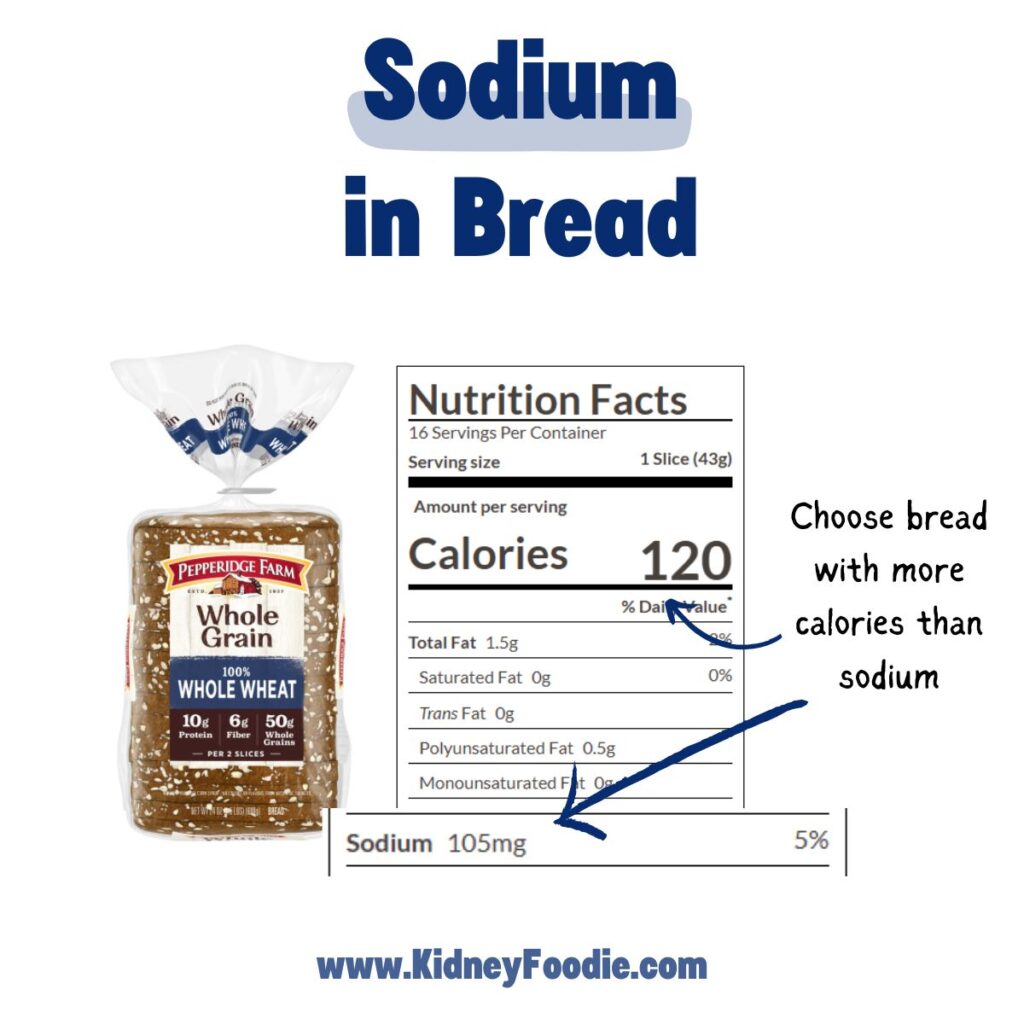
Bread is the number one source of sodium in the American diet. It’s not uncommon for a single slice to add 100+ mg of sodium. If you eat toast at breakfast and a sandwich at dinner, bread alone could contribute over 400 mg—roughly one-third of your daily target. Choosing a low sodium bread can make a meaningful difference.
What if I can’t find a low sodium bread?
If your local store doesn’t carry low sodium options:
- Try an alternative:
Make a lettuce wrap or use low-sodium corn tortillas instead of sandwich bread. Swap toast for oatmeal or rice. - Order online:
Many breads can now be ordered directly and shipped to your home. - Request it:
Ask your grocery store to carry your preferred brand. - Pair with low sodium foods:
If you must use a higher sodium bread, pair it with low sodium toppings like natural peanut or cashew butter to keep the total sodium in check.
Lower Phosphorus Bread
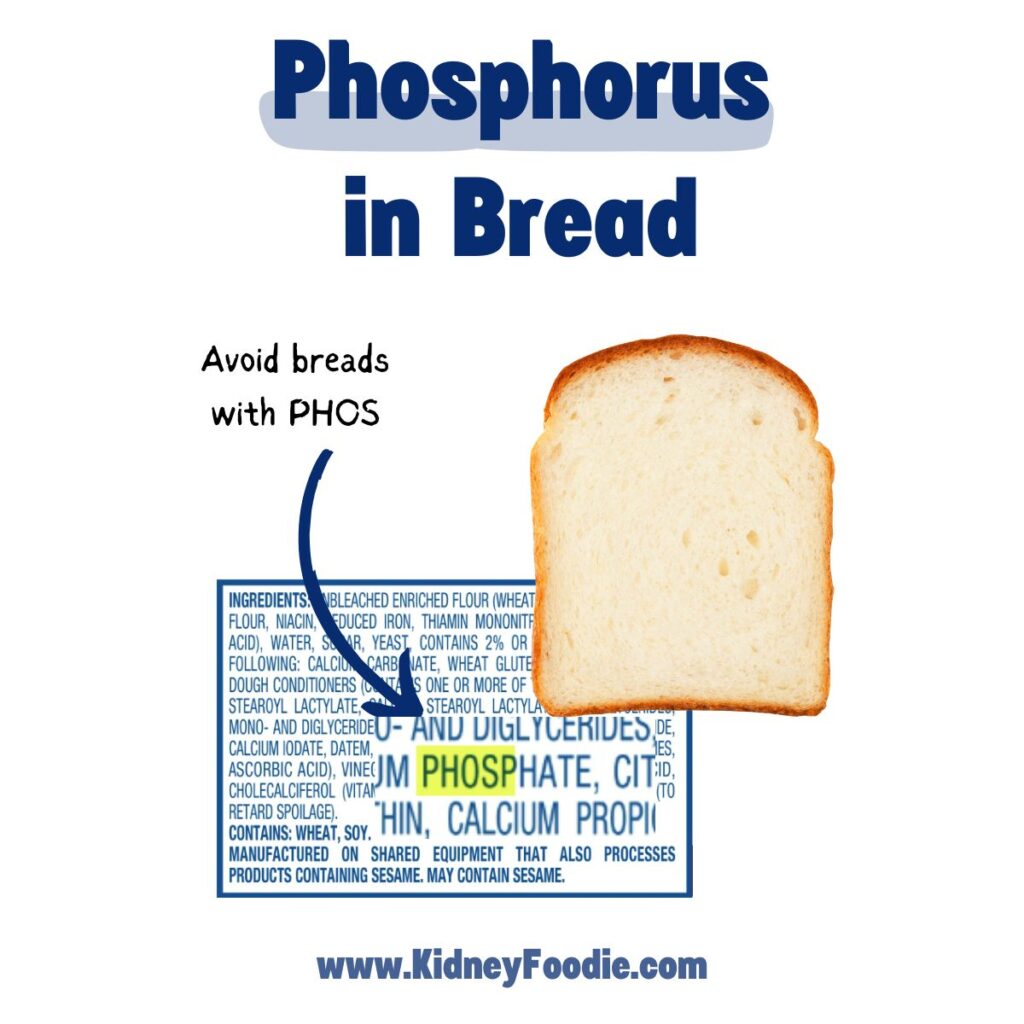
Many breads also contain phosphorus additives, which are bad for your cardiovascular health. Phosphorus is an ingredient in baking powder, so it is common for baked goods to have phosphorus added to them. However, not all bread contains phosphorus!
To determine if a bread contains phosphorus, read the ingredient lists. If you see any ingredients with “PHOS” in the name, then you should choose a different bread.
One thing to consider with bread is that most bread contains yeast. While humans do not have the correct enzymes in their body to digest many plant-based phosphorus sources, yeast organisms do. In theory, foods containing yeast may have a higher phosphorus bioavailability, meaning that your body will absorb more of the phosphorus from the food.
Available research on the amount of phosphorus in yeast leavened bread that is absorbable is anywhere from 26 – 60% digestible. Phosphorus additives, on the other hand, are 100% absorbable.
If you are struggling with high phosphorus levels, I would first be sure that you have eliminated all sources of phosphorus additives in your diet. You should also take a look at any digestive enzymes that you take to ensure those are not affecting your phosphorus.
If you have eliminated all phosphorus additives in your diet and are still struggling with controlling phosphorus, then you may want to consider replacing yeast containing foods like bread with alternate sources of carbohydrate. Similarly, sprouted grains will have a higher phosphorus bioavailability.
Kidney Friendly Low Potassium Bread Brands
The following breads contain no phosphorus additives, are low in sodium, and low in potassium. Manufacturers may change their formulations. Always verify nutrition information before purchasing. Note: We were unable to find any white bread options that were both low in sodium and free from phosphorus additives. If you prefer white bread, choose one with the lowest sodium content and no phosphorus additives.
Food For Life Ezekiel Bread
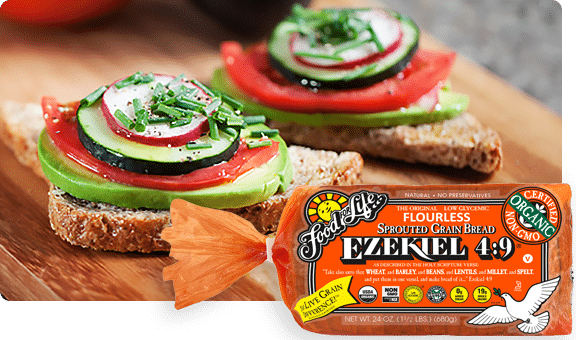
- Calories: 80
- Protein: 5g
- Carbohydrate: 15g
- Fat: 0.5g
- Sodium: 75mg
- Phosphorus
Additives: None - Potassium: 81mg
- Calcium: 9mg
- Fiber: 3g
- Sugar: 0g
Check Prices

Food for Life Low Sodium Ezekiel Bread
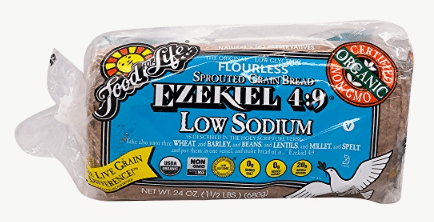
- Calories: 80
- Protein: 5g
- Carbohydrate: 15g
- Fat: 0.5g
- Sodium: 0mg
- Phosphorus
Additives: None - Potassium: 82mg
- Calcium: 9mg
- Fiber: 3g
- Sugar: 0g
Check Prices
Pepperidge Farm Whole Wheat Bread
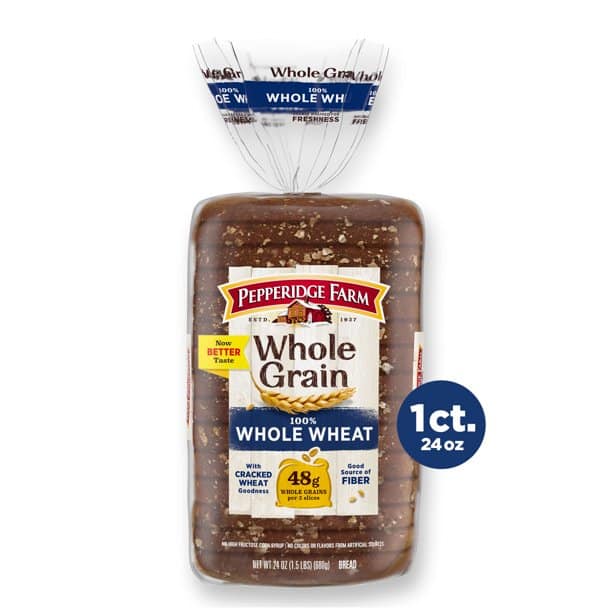
- Calories: 120
- Protein: 5g
- Carbohydrate: 21g
- Fat: 1.5g
- Sodium: 110mg
- Phosphorus
Additives: None - Potassium: 110mg
- Calcium: 40mg
- Fiber: 4g
- Sugar: 4g
Check Prices
Pepperidge Farm Honey Wheat

- Calories: 120
- Protein: 5g
- Carbohydrate: 21g
- Fat: 2g
- Sodium: 105mg
- Phosphorus
Additives: None - Potassium: 100mg
- Calcium: 20mg
- Fiber: 3g
- Sugar: 4g
Check Prices
Pepperidge Farm Thin Sliced Whole Wheat Bread
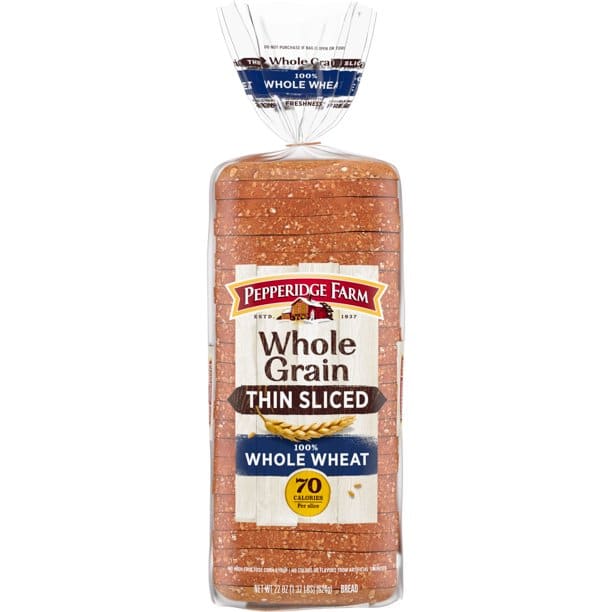
- Calories: 130
- Protein: 7g
- Carbohydrate: 25g
- Fat: 2g
- Sodium: 130mg
- Phosphorus
Additives: None - Potassium: 120mg
- Calcium: 50mg
- Fiber: 4g
- Sugar: 3g
Check Prices

Low Phosphorus Breads for Kidney Disease
These breads have a bit more sodium than our top choices above, but they contain no phosphorus additives which makes them great second choices if you can’t find a low sodium option. In our Academy mealplans, we find that it is pretty easy to accommodate a higher sodium bread choice as long as you are choosing some other low sodium foods throughout the day to balance it out.
Arnold / Brownberry / Oroweat Whole Wheat Bread
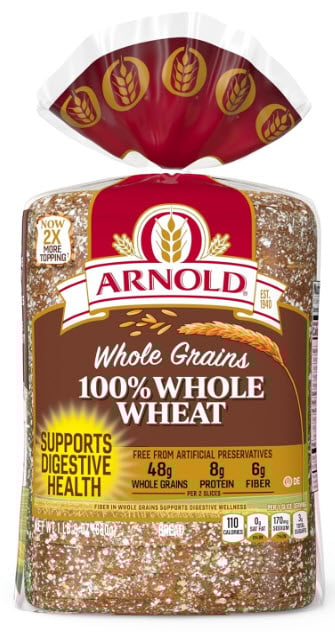
- Calories: 110
- Protein: 4g
- Carbohydrate: 21g
- Fat: 2g
- Sodium: 180mg
- Phosphorus
Additives: None - Potassium: 100mg
- Calcium: 45mg
- Fiber: 3g
- Sugar: 3g
Check Prices
Angelic Bakehouse
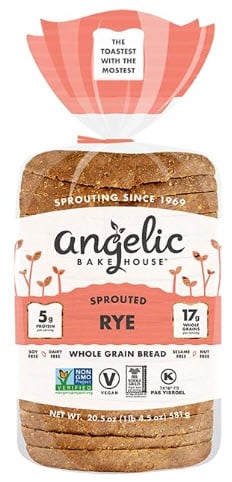
- Calories: 90
- Protein: 5g
- Carbohydrate: 18g
- Fat: 1g
- Sodium: 170mg
- Phosphorus
Additives: None - Potassium: 100mg
- Calcium: 0mg
- Fiber: 3g
- Sugar: 2g
Check Prices
Canyon Bakehouse
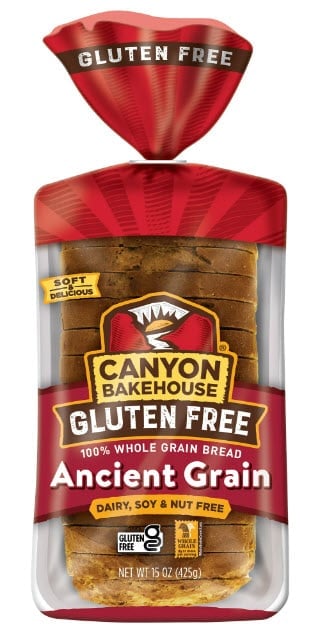
- Calories: 70
- Protein: 1g
- Carbohydrate: 13g
- Fat: 1.5g
- Sodium: 95mg
- Phosphorus
Additives: None - Potassium: 50mg
- Calcium: 10mg
- Fiber: 0.5g
- Sugar: 2g
Check Prices
Dave’s Killer Bread
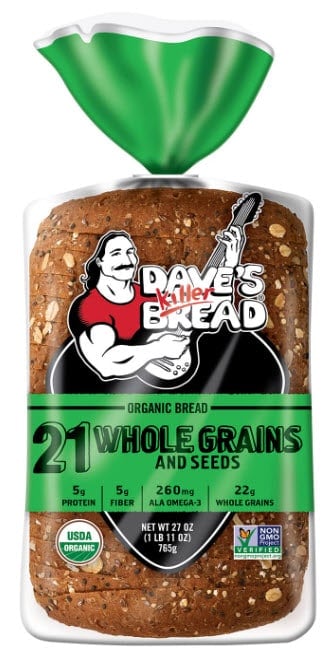
- Calories: 110
- Protein: 5g
- Carbohydrate: 22g
- Fat: 1.5g
- Sodium: 170mg
- Phosphorus
Additives: None - Potassium: 100mg
- Calcium: 0mg
- Fiber: 5g
- Sugar: 5g
Check Prices
Kroger Simple Truth Whole Wheat Bread
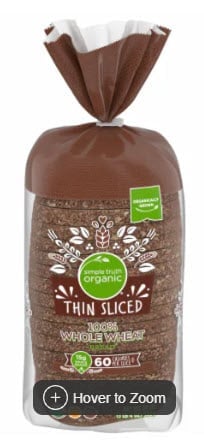
- Calories: 60
- Protein: 3g
- Carbohydrate: 13g
- Fat: 1g
- Sodium: 115mg
- Phosphorus
Additives: None - Potassium: 60mg
- Calcium: 10mg
- Fiber: 2g
- Sugar: 2g
Udi’s Gluten Free Whole Grain Bread
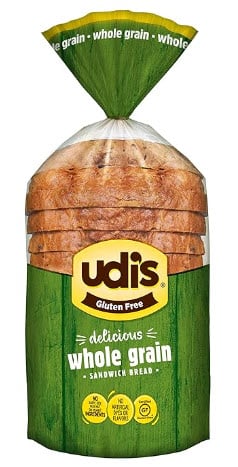
- Calories: 140
- Protein: 3g
- Carbohydrate: 22g
- Fat: 4g
- Sodium: 270mg
- Phosphorus
Additives: None - Potassium: 0mg
- Calcium: 0mg
- Fiber: 1g
- Sugar: 3g
Check Prices
Whole Foods Whole Wheat Bread
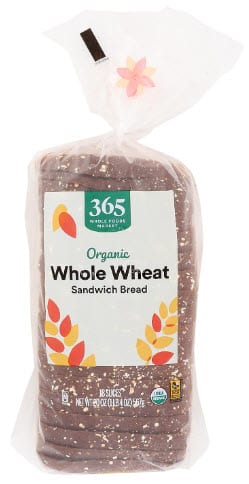
- Calories: 80
- Protein: 4g
- Carbohydrate: 14g
- Fat: 1g
- Sodium: 135mg
- Phosphorus
Additives: None - Potassium: 80mg
- Calcium: 0mg
- Fiber: 2g
- Sugar: 1g
Check Prices