
Oat milk has become a go-to option for people looking for a creamy, plant-based milk alternative. But if you have chronic kidney disease (CKD), you might be wondering: is oat milk a good choice for kidney health?
In this article, we’ll look at how oat milk stacks up when it comes to key nutrients like potassium, phosphorus, protein, calcium, and sodium—and we’ll walk through who may benefit from it and who may want to be cautious.
Table of contents

This post may contain affiliate links through which we may earn a small commission to help keep this website free.
Is Oat Milk Low in Potassium?
The potassium content of oat milk can vary greatly depending on the brand with some brands as low as 80mg per cup and others with more than 400mg per cup. For reference, a cup of regular cow’s milk can have over 350 mg per cup. If you are on a potassium restriction and want to use oatmilk, be sure to pay attention to the potassium content of the brands you are considering.
But not everyone with CKD needs to limit potassium. Potassium levels are influenced by many things—including medications, acid-base balance, blood sugar levels, and how well your kidneys are filtering. For some people, limiting high-potassium foods isn’t necessary and could even lead to nutrient gaps.
If you’re unsure whether potassium is something you need to watch—or you’re struggling to keep your levels in range—I walk through this topic in more detail in my Potassium 101 course. We walk through all of the major (and often simple!) strategies for managing potassium the right way.
Is Oat Milk High in Phosphorus?
The majority of oat milks on the market contain high amounts of phosphorus additives containing up to 400mg of phosphorus per cup.
You won’t typically see the phosphorus amount listed on food labels. For oat milk, the USDA has analyzed several varieties of oat milk and reported the total phosphorus content of various milks.
| Brand | Phosphorus Amount (mg/cup) | Potassium (mg/cup) |
| Oatly | 250 – 270 | 450 – 454 |
| Califia | 207 – 216 | 367 – 379 |
| 365 Everyday Value | 386 – 403 | 434 – 454 |
| Wegmans | 274 – 276 | 473 – 492 |
| Silk | 88 – 90 | 202 – 211 |
| Trader Joe’s | 98 – 100 | 142 – 143 |
| Chobani | 244 – 247 | 428 – 439 |
| Planet Oat | 128 – 147 | 295 – 336 |
All of the oatmilks analyzed contain phosphorus additives, so it is unclear how much phosphorus oatmilk contains with no additives. We can assume that an oat milk with no additives has less than 88mg of phosphorus, based on the available information from the USDA.
Phosphorus additives are a big problem for people with CKD and are readily absorbed by the body (up to 90–100%) compared to natural sources (which are absorbed at much lower rates, around 30–60%).
High phosphorus levels can contribute to bone disease, cardiovascular complications, and worsening kidney function. If you see anything with “phos” in it—like calcium phosphate, disodium phosphate, or phosphoric acid—that’s a sign it contains added phosphorus and should be avoided. Even if total phosphorus isn’t listed on the nutrition label (and is usually isn’t), the presence of these additives is a red flag for CKD.
Currently, there are very few oat milk brands that are free from phosphate additives. The ones that are tend to be unfortified and contain no calcium at all—which creates another issue, especially for people with CKD who have cut out dairy and lost a major calcium source.
Oat Milk Is Low in Protein—Is That Good or Bad?
Oat milk is relatively low in protein, with most varieties providing 2–4 grams per cup—lower than cow’s milk, but higher than almond milk.
Why does protein matter in CKD? When you eat protein, your body creates waste products like urea and creatinine that the kidneys must filter out. For people with CKD who are not on dialysis, limiting protein—especially animal protein—to the right amount can help preserve kidney function. Plant-based milks like oat milk can help reduce protein load while still offering a versatile milk alternative (although the lowered amount of protein does not offset the negative effects of the phosphorus additives).
What About Calcium in Oat Milk?
When most people think of milk, they think of calcium—and with good reason. Calcium is important for bone health and plays a key role in muscle contractions, nerve function, and maintaining a steady heartbeat.
Like most nutrients in CKD, calcium needs to be kept in balance. Too little calcium can weaken bones, but too much—especially in the form of supplements or additives—can contribute to calcium buildup in blood vessels and soft tissues.
The KDOQI guidelines recommend that people with chronic kidney disease aim for 800–1,000 mg of calcium per day, including what you get from food, supplements, and medications.
Most oat milks are fortified with calcium to provide a similar amount to cow’s milk—often around 300–450 mg per cup. However, this fortification is often done as a calcium PHOSphate additive, which means these should be avoided.
If you choose an oatmilk with no phosphorus additives that contains no calcium, be sure that you have identified alternate sources of calcium in your diet to ensure that you are meeting your body’s needs. Currently, we have found only ONE oatmilk that is calcium fortified and does not contain a phosphorus additive.
There has been a case of a person with CKD developing severe hypercalcemia from oat milk, however this man was drinking a GALLON of If you’re unsure whether you need a high- or low-calcium milk, talk with your healthcare provider or dietitian.
What About Sodium in Oat Milk?
Most plant milks have more sodium than calories, so we would technically consider them higher sodium foods. However, the overall amount of excess sodium is usually small, and easily offset by making lower sodium choices elsewhere in the day.
For many people, the benefit of having a lower phosphorus, lower potassium milk source outweighs the excess sodium.
Oat Milk vs Cow’s Milk: Nutrient Comparison
| Nutrient | Unsweetened Oat Milk | Cow’s Milk (2%) | Why It Matters for CKD |
| Potassium | ~350 mg | ~350 mg | Too much potassium can cause dangerous heart symptoms |
| Phosphorus | ~90-400 mg (additives!) | ~230 mg (no additives) | Additives can raise phosphorus absorption dramatically |
| Protein | ~2 g | ~8 g | Lower protein can reduce kidney workload |
| Sodium | ~100 mg | ~100 mg | Sodium raises blood pressure and fluid retention |
| Calcium | ~355mg (if fortified) | ~290mg | Important for bone health |
Always check the label—nutrition varies by brand and flavor.
So, Is Oat Milk Good for Kidney Disease?
Most oat milks are not good for people with kidney disease because of the high amount of phosphorus added to them. Additionally, oat milk is often just as high in potassium as dairy milk due to potassium additives, which may be undesirable for anyone who is on a potassium restriction.
If you are able to find one of the few options with no phosphorus additives, oat milk can be a good option for people with CKD.
Kidney Friendly Oat Milk You Can Buy
Oatsome Organic Oat Milk
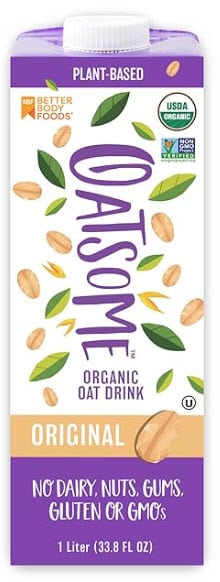
- Calories: 130
- Protein: 2g
- Carbohydrate: 21g
- Fat: 4g
- Sodium: 60mg
- Phosphorus
Additives: None - Potassium: 104mg
- Calcium: 289mg
- Fiber: 0g
- Sugar: 13g
Check Prices

Oatly Super Basic Oatmilk
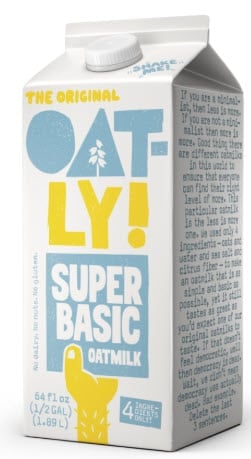
- Calories: 80
- Protein: 3g
- Carbohydrate: 16g
- Fat: 1g
- Sodium: 110mg
- Phosphorus
Additives: None - Potassium: 70mg
- Calcium: 0mg
- Fiber: 2g
- Sugar: 7g
Check Prices
Califia Organic Oat Milk
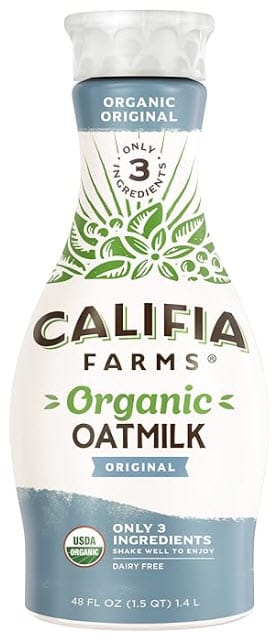
- Calories: 80
- Protein: 3g
- Carbohydrate: 14g
- Fat: 1g
- Sodium: 160mg
- Phosphorus
Additives: None - Potassium: 50mg
- Calcium: 30mg
- Fiber: 0.5g
- Sugar: 4g
Check Prices
Elmhurst Oat Milk
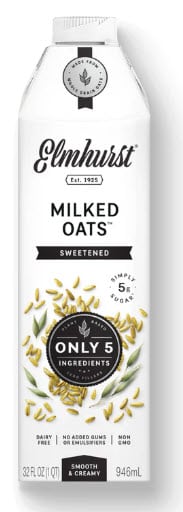
- Calories: 100
- Protein: 3g
- Carbohydrate: 18g
- Fat: 1.5g
- Sodium: 120mg
- Phosphorus
Additives: None - Potassium: 95mg
- Calcium: 18mg
- Fiber: 2g
- Sugar: 5g
Forager Oatmilk
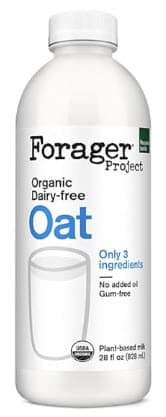
- Calories: 130
- Protein: 2g
- Carbohydrate: 27g
- Fat: 2g
- Sodium: 70mg
- Phosphorus
Additives: None - Potassium: 106mg
- Calcium: 33mg
- Fiber: 3g
- Sugar: 5g
Check Prices
Kirkland Oat Milk
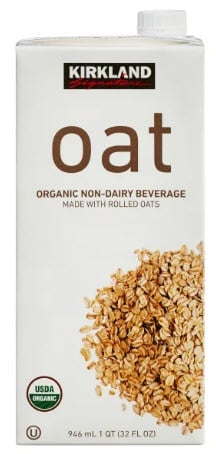
- Calories: 120
- Protein: 3g
- Carbohydrate: 16g
- Fat: 5g
- Sodium: 95mg
- Phosphorus
Additives: None - Potassium: 50mg
- Calcium: 390mg
- Fiber: 2g
- Sugar: 7g
Oat Malk
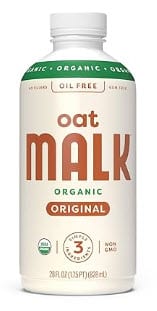
- Calories: 90
- Protein: 3g
- Carbohydrate: 15g
- Fat: 1.5g
- Sodium: 180mg
- Phosphorus
Additives: None - Potassium: 110mg
- Calcium: 0mg
- Fiber: 1g
- Sugar: 5g
Check Prices